Alternatives for Root Canal Therapyin Smyrna and East Point, GA

Young woman holding her mouth in pain

Please note: we may not offer all these services at our office. Contact our Smyrna office at 770-433-1515 or our East Point dental clinic at 404-766-8559 to learn more. 

Your Alternative Root Canal Treatment Options

While root canal treatment is often a successful treatment option for infected teeth, some people may be hesitant to undergo the procedure due to fear or discomfort. Fortunately, there are alternative treatments available for root canal therapy. 

Learn more about your endodontic treatment options with our Smyrna & East Point, GA dentist. If you have any questions or you’re dealing with severe tooth pain, call our Smyrna dental office at 770-433-1515 or our East Point location at 404-766-8559.

Meet Dr. Jarrett

Dr. Jarrett L. Manning is a multi-faceted business mogul who serves as owner and “smile creator” of JLM Dental Studio in Atlanta and is recognized as one of the country’s most respected dentists. She frequently provides expert perspectives on oral health issues across major media platforms, including the Tom Joyner Morning Show, Cosmopolitan Magazine, and numerous other national and international outlets.

Beyond dentistry, Dr. Jarrett is a 3x best-selling author, founder and CEO of Honey Envy natural hair care line, and runs Dental CEOs LLC to mentor new dental practice owners. She’s also passionate about youth mentorship through her non-profit Beyond Her Smile, which exposes young girls to STEAM careers. A Xavier University alumna and Delta Sigma Theta member, she lives in the Atlanta metro area with her husband Will and daughter Addisyn, enjoying travel, fitness, and food in her free time.

Couple smiling

Benefits of Alternative Root Canal Treatments

Some of the benefits of alternative treatments include:

  • Preservation of Natural Teeth: One of the primary benefits of alternative treatments is that they allow patients to preserve their natural teeth. This is particularly important for patients concerned about the aesthetic and functional consequences of tooth loss.
  • Reduced Risk of Complications: Alternative treatments are generally less invasive than root canal therapy, which means there’s a reduced risk of complications such as pain, swelling, and infection.
  • Cost-Effectiveness: Alternative treatments can be less expensive than root canal therapy, particularly if multiple teeth require treatment.
  • Faster Recovery Time: Because alternative treatments are less invasive, patients generally experience a shorter recovery time and can resume their normal activities sooner.
  • Lower Risk of Root Fracture: Root canal therapy can weaken the tooth and increase the risk of root fracture. Alternative treatments can help preserve the strength of the tooth and reduce this risk.
  • Greater Patient Comfort: Alternative treatments can be less uncomfortable for patients than root canal therapy, which may involve multiple appointments and more extensive treatment.

Alternative treatments may not be suitable for all patients or all types of dental conditions. Our Smyrna & East Point, GA, dentist can help you determine the most appropriate dental treatment option. Call 770-433-1515 to schedule your consultation in Smyrna or 404-766-8559 for an appointment in East Point.

Root Canal Alternatives

Apicoectomy

An apicoectomy is a surgical treatment option for teeth with persistent infections after root canal therapy or a hidden root canal anatomy that wasn’t treated during the initial root canal. During the dental procedure, your dentist will remove any infected tissue to prevent further infection. An apicoectomy may be recommended in cases where retreatment of the root canal therapy is not possible or is unlikely to be successful.

Pulp Capping

Pulp capping is typically used when the dental pulp or root cavity has been exposed but has not yet become infected. Your dentist will place a medicated material over the exposed pulp in an attempt to stimulate the growth of new dentin and protect the healthy pulp from further damage or infection. This treatment can be an effective alternative to root canal treatment for some patients, particularly those with less extensive damage to the tooth.

Tooth Extractions

Another alternative treatment is tooth extraction. This procedure involves removing the affected tooth entirely. While tooth extraction may seem extreme, it can be an effective treatment option for dental infections.

After tooth extraction, your dentist may recommend tooth replacement options such as a dental bridge or a dental implant.

Regenerative Endodontics

Regenerative endodontics is an emerging field in dentistry that focuses on the regeneration of dental tissues, particularly the pulp-dentin complex, to restore the functionality and vitality of damaged or infected teeth. It involves the application of tissue engineering principles and regenerative medicine techniques to promote the natural healing and regeneration of dental pulp, dentin, and other surrounding tissues.

Partial Pulpotomy

For those with severe tooth decay but where the root is still developing, a partial pulpotomy might be appropriate. In this procedure, the decayed part of the dental pulp is removed, and medication is placed to preserve the health of the remaining pulp and stimulate root development.

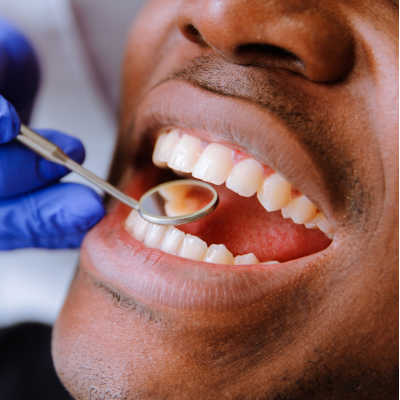
Dental checkup

How to Know Which Alternative is Right for You

Selecting the best alternative to root canal therapy depends on several key factors:

Severity of Your Condition: Minimal pulp exposure may only require pulp capping, while extensive infection or damage typically needs apicoectomy or extraction.

Your Age and Tooth Development: Younger patients with developing teeth often benefit from partial pulpotomy or regenerative endodontics. Adults with fully formed teeth may be better candidates for other alternatives.

Health and Budget: Good oral hygiene improves success rates for conservative treatments. Consider both immediate costs and long-term expenses, including potential tooth replacement after extraction.

Personal Preferences: Factor in your comfort level with different procedures, available time for multiple appointments, and whether preserving your natural tooth is a priority.

Questions to Ask Your Dentist About Treatment Options

Here are essential questions to discuss with your dentist to make an informed treatment decision:

About Your Condition

  • What exactly is wrong with my tooth, and how severe is it?
  • What are my treatment options, and which do you recommend?
  • What happens if I delay treatment?

Treatment Details

  • What does this procedure involve, and how long will it take?
  • What are the success rates for each option in cases like mine?
  • How much will each treatment cost, and what does my insurance cover?

Recovery and Long-Term Outlook

  • What should I expect during recovery?
  • How long will this treatment last?
  • What are the risks or potential complications?
  • Will I need additional treatment in the future?

Getting the Best Care

  • Should I get a second opinion?
  • Do you perform this procedure regularly, or should I see a specialist?
  • Are there newer treatment options that might benefit me?

Frequently Asked
Questions

Follow us

Menu